

Have you ever cooked fish and noticed a white liquid coming out of it? This ‘white stuff’ is actually albumin – a natural protein found in fish muscle – and can be minimized with proper cooking techniques. Read on to learn more about albumin, its characteristics, and some tips for reducing the amount of liquid released during cooking.
What is Albumin?
The white stuff in cooked fish is called albumin, and it’s a type of protein. Proteins are important building blocks for healthy bodies, but when heated, this particular protein firms up and squeezes out of the fish during cooking. It looks like a slimy, white liquid that happens to be odorless and tasteless.
Select the right fish species
Different fish species have varying degrees of albumin in their flesh, so it’s important to select species that are naturally low in this protein. Species such as cod, pollock, haddock, and snapper all have low levels of albumin and will help you reduce the amount of liquid released when cooking. Other high-albumin species include salmon, halibut, orange roughy and sea bass – so if you are looking for more protein in your diet, these may be the right choice.
Choose a fresh, premium quality fillet
When shopping for fish, select a premium quality fillet or steak as fresh as possible. Avoid fish with a cloudy or opalescent appearance and pick fish with eyes that are bright and clear. Freshness also helps to reduce the level of albumin in the flesh – so make sure you buy from a well-stocked, reliable source.
Consider brining before cooking
Brining is a common method to reduce the amount of albumin when cooking fish. It involves soaking your fish in a salt water solution for about twenty minutes per pound of fish. This helps break down the protein, giving it a firmer structure, meaning that less albumin will be squeezed out during cooking. You can add herbs and spices to the solution for flavor if desired.
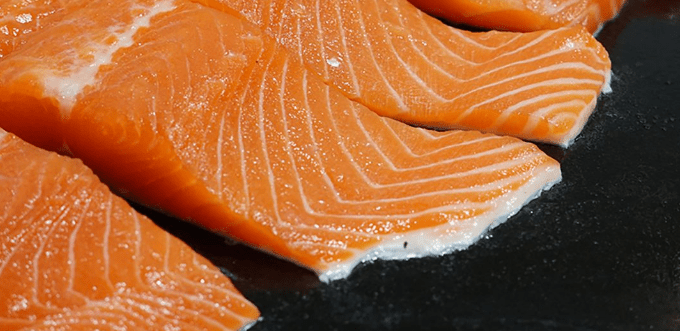
How to Minimize White Liquid From Cooked Fish.
One common method to minimize the white liquid from cooked fish is to keep the temperature of the fish low and gentle. If you’re baking or grilling, preheat your pan or oven before adding your fish. Start cooking with a lower heat and gradually raise it until you reach the desired temperature for your recipe. A heating element that produces radiation (like an infrared grill) is also good for this purpose, as it won’t heat the air around it quickly, which leads to less white liquid from the fish.

 re·dact
You must be logged in to post a comment.