
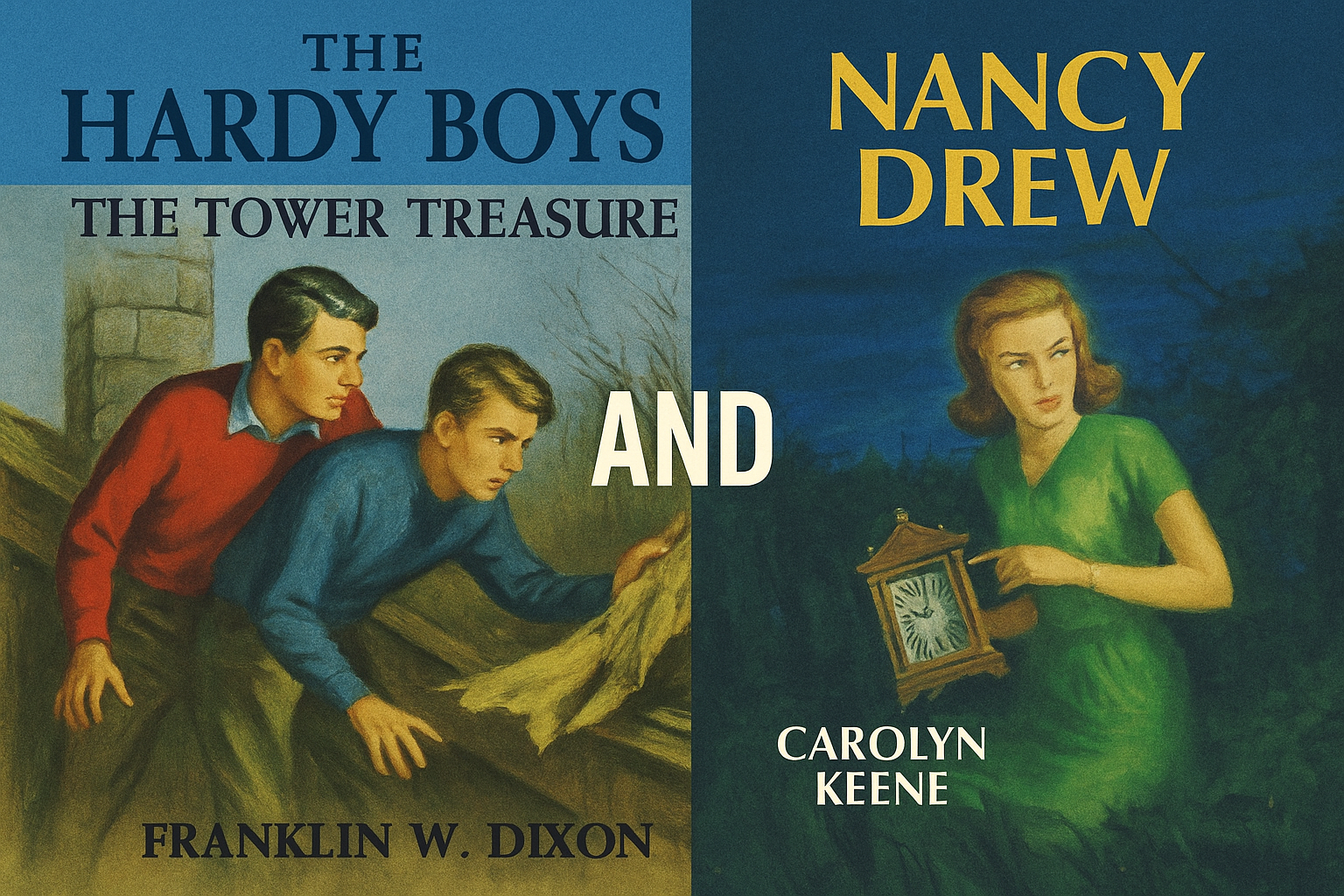
For nearly a century, two names have stood out as icons in the world of children’s mystery books: The Hardy Boys and Nancy Drew. These timeless detectives have not only entertained generations of readers but also helped shape the genre of juvenile fiction. Whether you’re introducing your child to their first mystery or revisiting childhood favorites, the Hardy Boys and Nancy Drew offer a shared universe of intrigue, courage, and adventure. In this comprehensive guide, we’ll explore the origins of both series, how they influenced each other, their lasting impact, and why they remain excellent choices for young readers today.
The Origins: Stratemeyer Syndicate’s Vision
Both The Hardy Boys and Nancy Drew were created by Edward Stratemeyer, the founder of the Stratemeyer Syndicate—a book packaging company responsible for many popular children’s series. Stratemeyer wanted to produce affordable, exciting novels that would appeal to a wide audience of young readers.
- The Hardy Boys debuted in 1927 with The Tower Treasure.
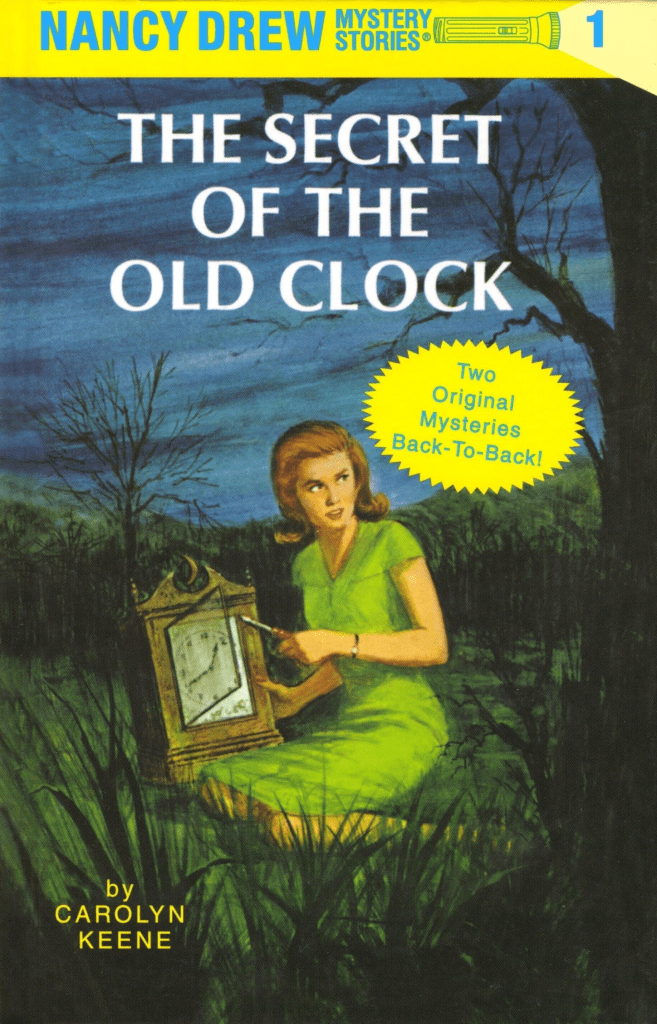
- Nancy Drew followed in 1930 with The Secret of the Old Clock.

Each series was published under a pen name:
- Franklin W. Dixon for The Hardy Boys.
- Carolyn Keene for Nancy Drew.
Both series were ghostwritten, with Canadian author Leslie McFarlane writing many of the early Hardy Boys titles and Mildred Wirt Benson penning the original Nancy Drew novels.
Parallel Adventures: Boys and Girls Solving Mysteries
Though separate in branding, the Hardy Boys and Nancy Drew books often mirrored each other in style and structure:
- Each book featured teenage detectives solving local or international mysteries.
- Stories emphasized independence, bravery, and deductive reasoning.
- Both series showcased a balance of danger, cleverness, and moral values.
These parallels weren’t coincidental. Nancy Drew was specifically developed as a female counterpart to the Hardy Boys to appeal to girls—and she quickly became even more popular.
Evolution Through the Decades
As societal values and publishing trends changed, so did the format and tone of both series. Here’s how each evolved:
The Hardy Boys
- 1927–1959: Original editions with period-specific language and style.
- 1959–1979: Revised editions with updated language and faster pacing.
- 1980s–2005: Continued releases in the original Mystery Stories series.
- 2005–2012: Undercover Brothers reboot with a more modern voice and serialized format.
- 2013–Present: Hardy Boys Adventures continues the brand with fresh mysteries.
- Clue Book Series: For ages 6–9, designed for early readers with interactive, clue-solving elements.
Nancy Drew
- 1930–1959: Original stories known for Nancy’s independence and cleverness.
- 1959–1979: Revised editions to reflect changing social norms.
- 1980s–2003: Nancy Drew Files series introduced romance and higher stakes.
- 2004–2012: Girl Detective series offered a contemporary reboot.
- 2013–Present: Nancy Drew Diaries modernized the character for today’s readers.
- Nancy Drew Clue Book: Aimed at young readers aged 6–9 with simplified mysteries.
Why These Series Still Matter
Despite their age, The Hardy Boys and Nancy Drew remain highly relevant, especially in an era filled with screen time distractions. Here’s why:
- Timeless Values: Emphasize teamwork, honesty, and courage.
- Accessible Format: Standalone stories mean readers can start anywhere.
- Skill Development: Encourage critical thinking, vocabulary growth, and problem-solving.
- Gender Representation: Offers strong role models for boys and girls alike.
Do the Books Need to Be Read in Order?
No. Most titles in both the Hardy Boys and Nancy Drew series are standalone stories. While there are occasional references to past events or characters, young readers can pick up any book in the series and enjoy a full, satisfying mystery.
For newer series like Undercover Brothers or Nancy Drew Diaries, there may be some benefit to reading in sequence, but it’s not essential.
Crossovers and Shared Universes
In the late 1980s and 1990s, the two franchises even joined forces in a series of crossover books known as “SuperMystery”. In these stories, Nancy Drew and the Hardy Boys teamed up to solve bigger, more dangerous cases. These crossover titles were extremely popular and helped unite fans of both series.
Best Books to Start With
The Hardy Boys:
- 🔗 Hardy Boys Starter Set (Books 1–5)
- 🔗 Hardy Boys Adventures: Secret of the Red Arrow
- 🔗 Hardy Boys Clue Book #1: The Video Game Bandit
- 🔗 Hardy Boys Vintage Books on eBay
Nancy Drew:
- 🔗 Nancy Drew Starter Set (Books 1–5)
- 🔗 Nancy Drew Diaries: Curse of the Arctic Star
- 🔗 Nancy Drew Clue Book #1: Pool Party Puzzler
- 🔗 Nancy Drew Vintage Books on eBay
A Literary Legacy That Endures
The Hardy Boys and Nancy Drew have done more than solve mysteries—they’ve solved the challenge of keeping kids reading for nearly 100 years. Their stories remain vibrant, engaging, and timeless. Whether you’re building a home library or introducing your child to their first detective story, these books provide a perfect starting point.
Their individual strengths and shared legacy make them not only literary icons but essential tools in cultivating a love of reading, adventure, and curiosity in young minds.

 re·dact
You must be logged in to post a comment.