
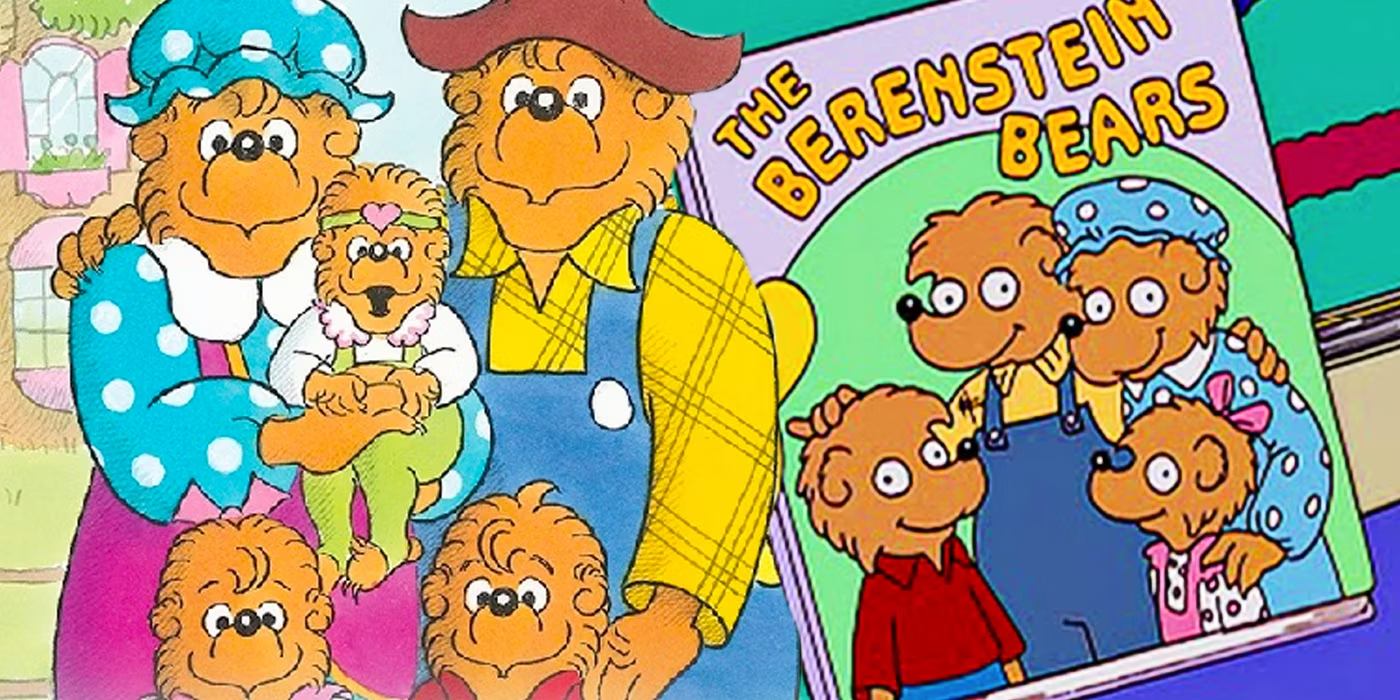
If you grew up reading the adventures of a charming bear family, you might remember them as the “Berenstein Bears.” However, a glance at any book cover reveals the true spelling: “Berenstain Bears.” This discrepancy has sparked widespread curiosity and even some outlandish theories. So, why do so many people remember the name differently from their childhood memories? Let’s explore the possible reasons behind this fascinating mix-up.
The Mandela Effect
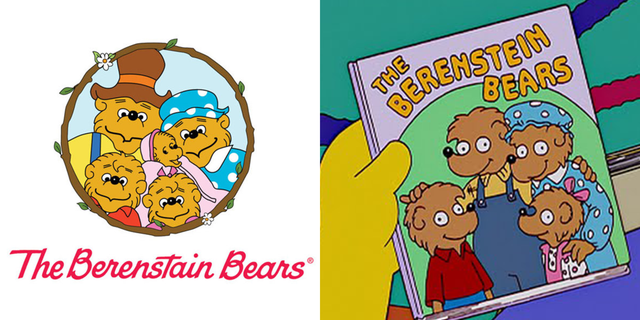
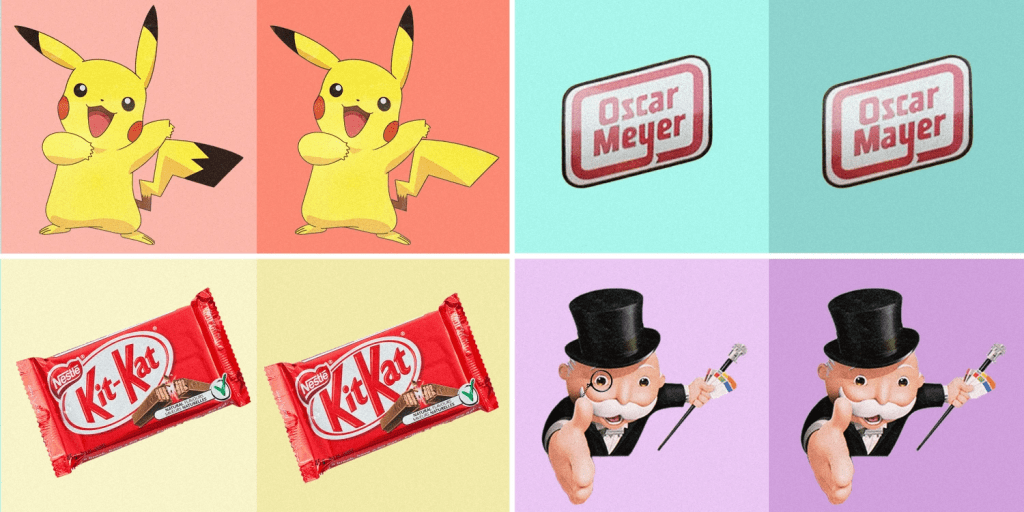
The confusion surrounding the Berenstain Bears is a classic example of the Mandela Effect, a phenomenon where a large group of people remember something differently from how it actually occurred. Named after Nelson Mandela, the effect was first noted when people mistakenly remembered him dying in prison in the 1980s, although he passed away in 2013. The Berenstain Bears is one of the most famous cases of this effect, highlighting the quirks and fallibility of human memory.
Common Suffix Confusion
One straightforward explanation for the mix-up is the similarity in spelling and pronunciation between “Berenstain” and “Berenstein.” The suffix “-stein” is far more common in surnames, especially those of German or Jewish origin, which might be why many default to this version. On the other hand, “-stain” is unusual and unfamiliar, leading our brains to correct it to the more common variant.
Mispronunciation and Reinforcement
Another factor is the pronunciation. Over time, the name “Berenstain” could easily be mispronounced as “Berenstein,” especially by children who are just learning to read and pronounce words. This mispronunciation can be reinforced through conversations with peers, family, or even misheard readings by adults. Once this incorrect pronunciation is established in a child’s mind, it can persist into adulthood, causing a persistent memory of the wrong spelling.
The Power of Suggestion
Human memory is highly suggestible. When people hear others refer to the series as “Berenstein Bears,” it can create a false memory. This phenomenon is amplified by social media, where the incorrect spelling can spread rapidly and gain traction. The more people see and hear “Berenstein,” the more likely they are to remember it that way, reinforcing the incorrect memory.
Typographical Errors and Misprints
Early exposure to typographical errors or misprints in books, advertisements, or other media could have contributed to the confusion. If a few initial instances of “Berenstein” slipped through in print or online, they might have planted the seed for the widespread false memory.
Cognitive Bias and Memory Construction
Our brains are constantly reconstructing memories, often filling in gaps with what seems most logical or familiar. The name “Berenstain” is less common and thus less likely to be remembered accurately. Cognitive biases can cause us to remember “Berenstein” because it fits better with our existing knowledge and expectations.
Social Reinforcement and Groupthink
Once a critical mass of people started recalling the name as “Berenstein,” it created a feedback loop. This is known as social reinforcement or groupthink, where the collective memory of a group can influence individual memories. When so many people confidently assert that they remember “Berenstein,” it becomes easier for others to adopt this belief, even if it’s incorrect.
The Appeal of Alternate Realities
For some, the Berenstain/Berenstein debate taps into more imaginative explanations. The idea of parallel universes or alternate realities where the name was indeed different provides a captivating narrative. While there is no scientific evidence to support such theories, they capture the human fascination with the unknown and the mysterious nature of memory.
Conclusion
The mix-up between “Berenstain Bears” and “Berenstein Bears” is a testament to the complexities and quirks of human memory. Whether due to simple mispronunciation, cognitive biases, social reinforcement, or the power of suggestion, this phenomenon highlights how our memories are not always as reliable as we might think. The Berenstain Bears will continue to charm new generations of readers, even as the mystery of their name persists in our collective imagination. You can purchase Berenstain Bears books from Amazon.

 re·dact
You must be logged in to post a comment.