
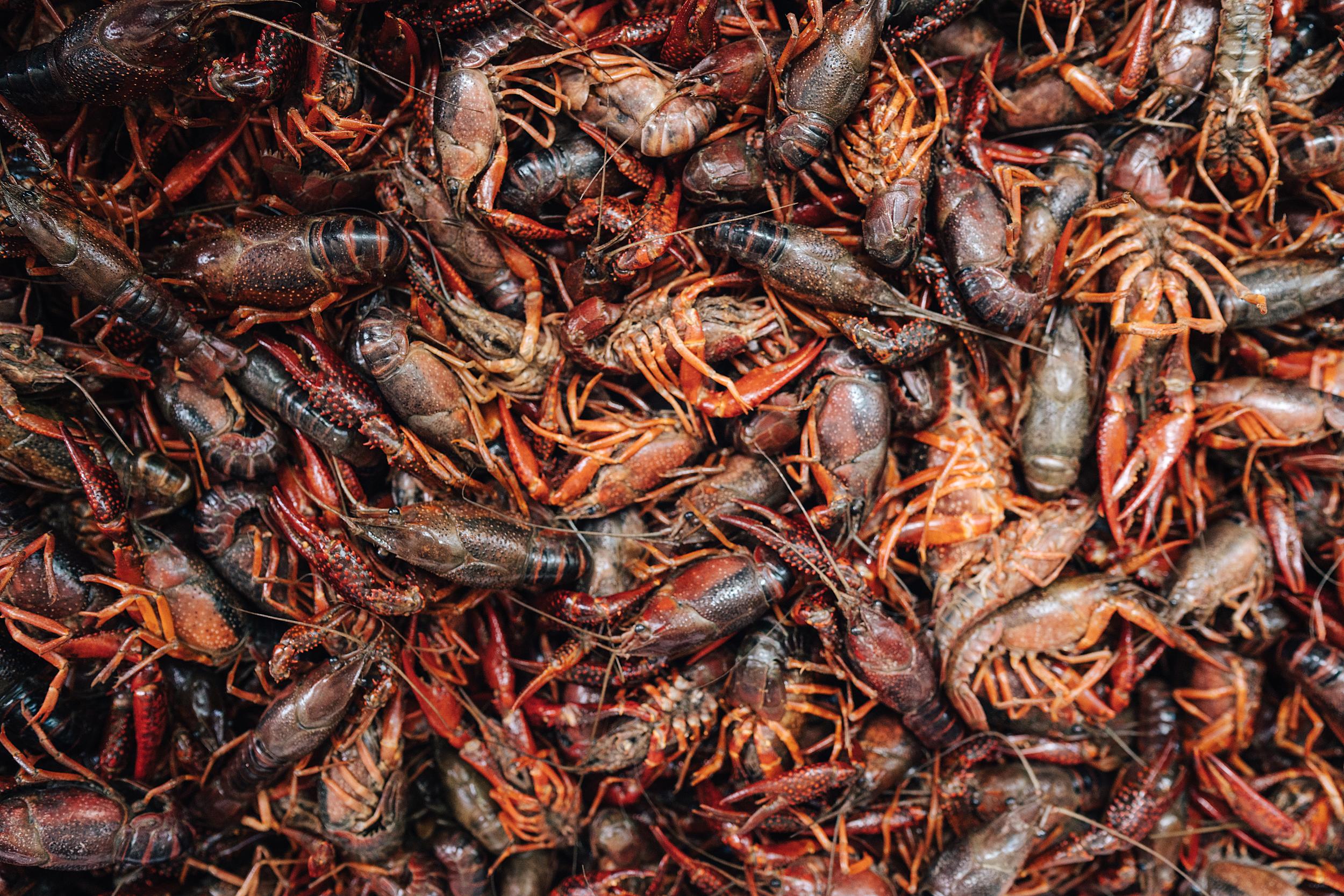
Crawfish, revered as a culinary delight in the southern United States, boasts a rich history dating back centuries. Native Americans first savored its succulent meat, introducing European settlers to this abundant food resource. As settlers established communities near Louisiana’s waterways and swamps, crawfish emerged as a lucrative commodity, sparking a thriving industry that traces its roots to the late 1800s.
Evolution of Crawfish Aquaculture
The cultivation of crawfish has evolved significantly over the years, spurred by increasing demand and the need for consistency in supply. Rice farmers in the early 1900s noticed crawfish populations thriving in their flooded fields during the growing season. This observation sparked experimentation with harvesting techniques and water management practices, laying the foundation for modern crawfish aquaculture.
By the late 1960s and early 1970s, crawfish aquaculture had gained momentum, revolutionizing the industry. Today, Louisiana leads the charge, producing nearly 100 million pounds annually, with a market value of approximately $150 million. Additionally, the wild crawfish fishery contributes an additional $5 to $20 million to the industry’s revenue stream.
Traditional Consumption and Purging Practices
Crawfish consumption is deeply ingrained in social traditions, often associated with festive gatherings and outdoor feasts. Boiled with fiery spices and served alongside a medley of vegetables, crawfish dishes epitomize southern hospitality and culinary excellence. During peak production months in the spring, households across the region partake in outdoor crawfish boils, utilizing dedicated cooking rigs to accommodate sizable sacks of live crawfish.
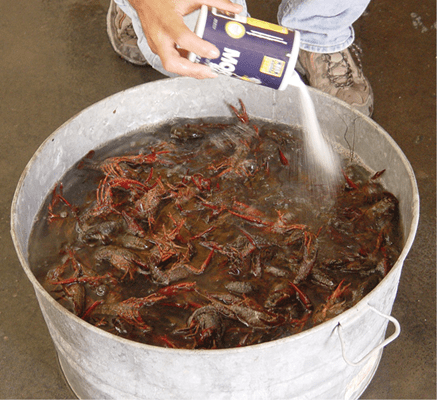
Purging, a crucial step in preparing crawfish for cooking, is a practice steeped in tradition. Many households opt for a simple saltwater bath, aiming to cleanse the crustaceans’ digestive tracts before cooking. This age-old technique, passed down through generations, reflects a blend of hearsay, tradition, and practicality.
The Quest for Scientific Validation
While traditional methods persist, questions linger regarding their efficacy and scientific merit. In an effort to demystify the saltwater bath method and its impact on crawfish purging, Louisiana State University embarked on a comprehensive study in 2013. The study aimed to provide empirical evidence regarding the effectiveness of common purging practices and their implications for culinary endeavors.
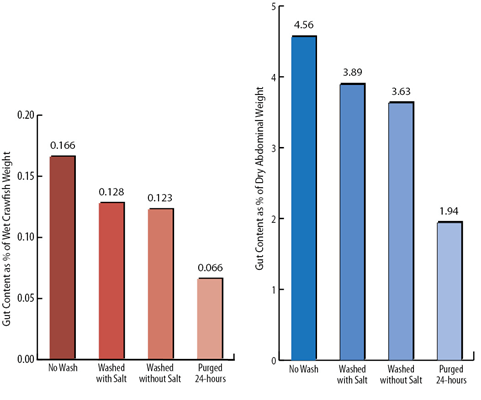
Deciphering the LSU Study: Methodology and Insights
The LSU study subjected freshly harvested red swamp crawfish to four distinct treatments simulating various preparation methods for cooking:
- No Washing (Controls)
- Saltwater Bath
- Freshwater Wash (Without Salt)
- Commercial Purging Process (24 Hours)
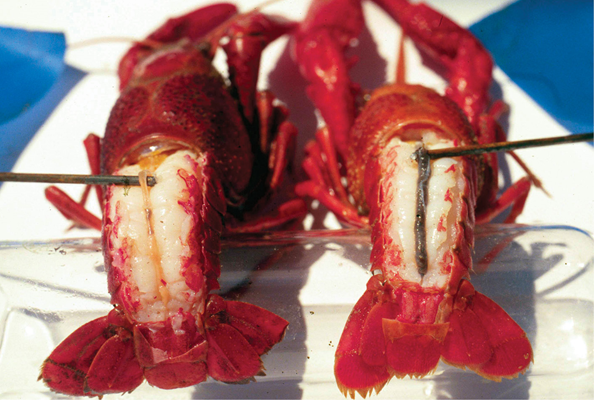
Each treatment group underwent rigorous evaluation, with researchers meticulously assessing hindgut content weight and mortality rates. The findings yielded valuable insights into the efficacy of different purging techniques and their impact on crawfish quality.
Key Findings and Implications
The study revealed that immersion in a water bath, even for a brief period, aids in removing exterior debris from crawfish, enhancing their cleanliness. However, the extent of hindgut cleansing varied among the different treatments. While a saltwater bath showed some promise in reducing hindgut content, the benefits were marginal compared to commercial purging methods.
Contrary to popular belief, the study debunked the notion that salt confers significant advantages in purging crawfish. In fact, the inclusion of salt in the water bath demonstrated no discernible benefits and, in some cases, led to increased mortality rates.
Conclusion: Balancing Tradition with Scientific Understanding
In conclusion, while traditional purging methods hold cultural significance, their efficacy may not always align with scientific scrutiny. While a brief water bath can enhance the cleanliness of crawfish, it falls short of achieving the thorough purging achieved through commercial methods. As culinary enthusiasts continue to celebrate the rich heritage of crawfish cuisine, there’s a delicate balance between honoring tradition and embracing scientific insights to elevate culinary practices.
Embrace Tradition, Embrace Science
As crawfish aficionados embark on their culinary adventures, it’s essential to appreciate the fusion of tradition and innovation that defines the industry. While tradition imbues crawfish dishes with cultural resonance, scientific inquiry empowers us to refine and elevate culinary techniques. By marrying tradition with scientific understanding, we can savor the timeless flavors of crawfish cuisine while ensuring the highest standards of quality and safety.
For those interested in delving deeper into the LSU study, you can access the full report here.

 re·dact
You must be logged in to post a comment.