
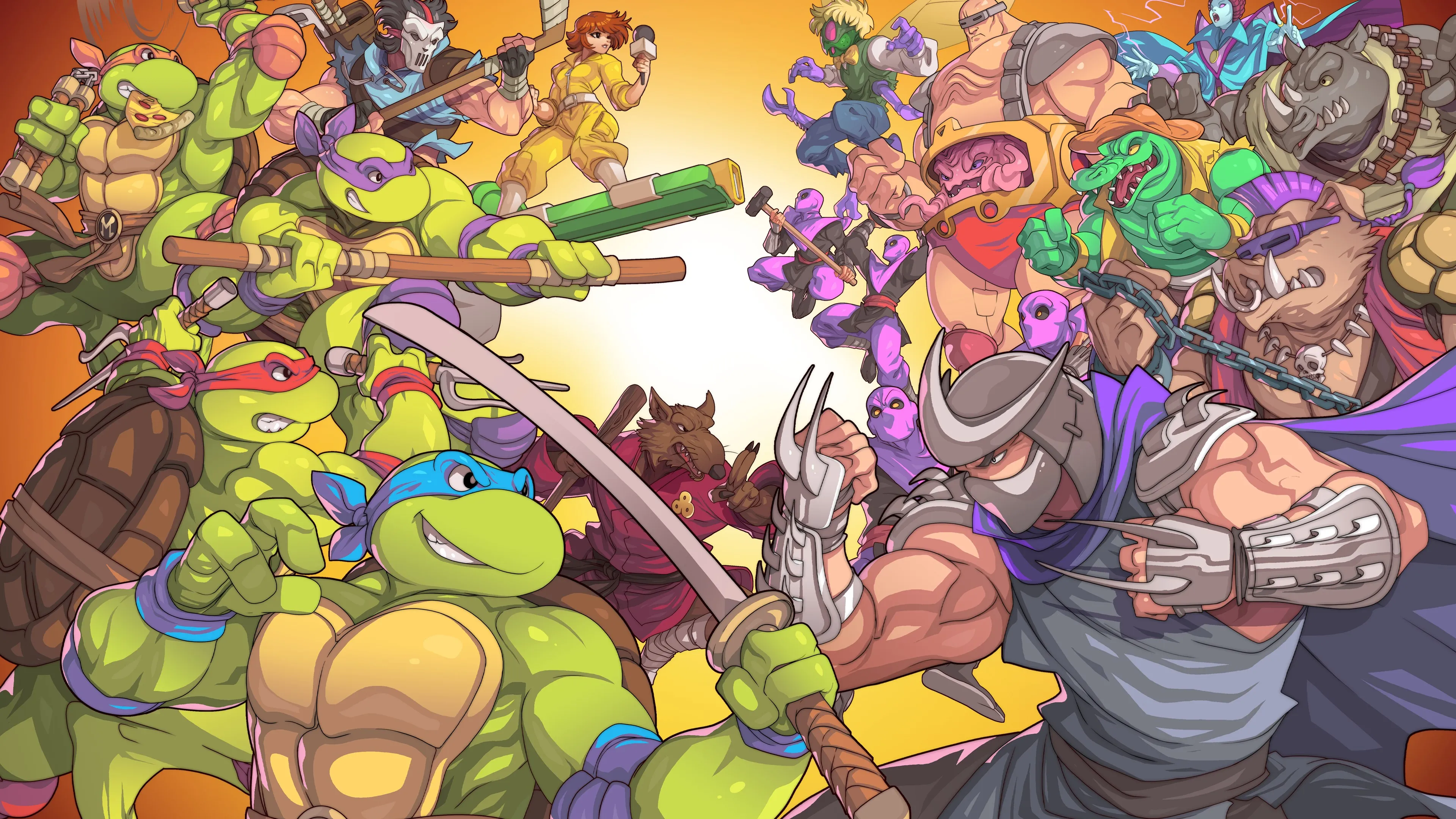
Heroes in a half-shell, turtle power! For over three decades, the Teenage Mutant Ninja Turtles (TMNT) have captured the hearts and minds of fans young and old, becoming an enduring symbol of pop culture. Created by Kevin Eastman and Peter Laird in 1984, the TMNT franchise has evolved into a multi-faceted phenomenon that continues to shape generations. In this blog post, we will explore the cultural impact of the Teenage Mutant Ninja Turtles and why they remain beloved by fans of all ages.
A Timeless Tale of Heroes
The Teenage Mutant Ninja Turtles are not just any group of superheroes; they are anthropomorphic turtles trained in ninjutsu by their rat sensei, Splinter. Their origin story is as unique as it is captivating. Four turtles, named after Renaissance artists, are exposed to a mutagenic ooze that transforms them into the heroes we know today. They live in the sewers of New York City and battle their arch-nemesis, the Shredder, leader of the Foot Clan.
The Turtles’ origin story, blending elements of science fiction, martial arts, and humor, struck a chord with a wide audience. The ’80s were a time of radical change and innovation in the world, and the TMNT’s story and personalities reflected the zeitgeist of the era. They embodied the spirit of adventure, camaraderie, and justice, values that appealed to kids and adults alike.

Mirroring Society
One of the remarkable aspects of the TMNT’s cultural impact is their ability to adapt and reflect the times. In their various iterations, the Turtles have explored issues such as environmentalism, social justice, and urban life. Their stories have always connected with societal concerns, making them a relevant and relatable source of entertainment.
The success of the 1990 live-action film adaptation, animated series, and an expansive toy line made the Turtles a phenomenon that bridged generational gaps. Parents who grew up with the Turtles introduced their children to this dynamic quartet, cementing their place in the collective cultural consciousness. The Turtles became an intergenerational phenomenon, uniting fans of all ages.
A Global Phenomenon
The TMNT’s reach is not limited to North America. The franchise quickly spread worldwide, making the Turtles a global phenomenon. They have been featured in comic books, animated series, video games, and even on the big screen. The universal appeal of brotherhood, friendship, and heroism transcends cultural boundaries, and the Turtles’ popularity continues to grow in international markets.

Legacy and Longevity
While some pop culture icons may fade with time, the Teenage Mutant Ninja Turtles remain as popular as ever. Their resilience and lasting impact on popular culture are evident through numerous reboots, merchandise, and fan conventions. Fans old and new can’t get enough of Leonardo, Donatello, Michelangelo, and Raphael, along with their beloved sensei, Splinter.
In Conclusion
The Teenage Mutant Ninja Turtles have transcended their initial comic book origins to become a cultural phenomenon that spans generations. Their unique blend of action, humor, and social relevance has allowed them to remain not just a nostalgic memory of the ’80s but also a living, evolving franchise. Whether you’re a child of the ’80s or a fan from a later generation, the Turtles’ message of unity, justice, and pizza-loving camaraderie continues to shape and inspire us all. Heroes in a half-shell, they are, and heroes they will always be.

 re·dact
1 Comment
Comments are closed.