
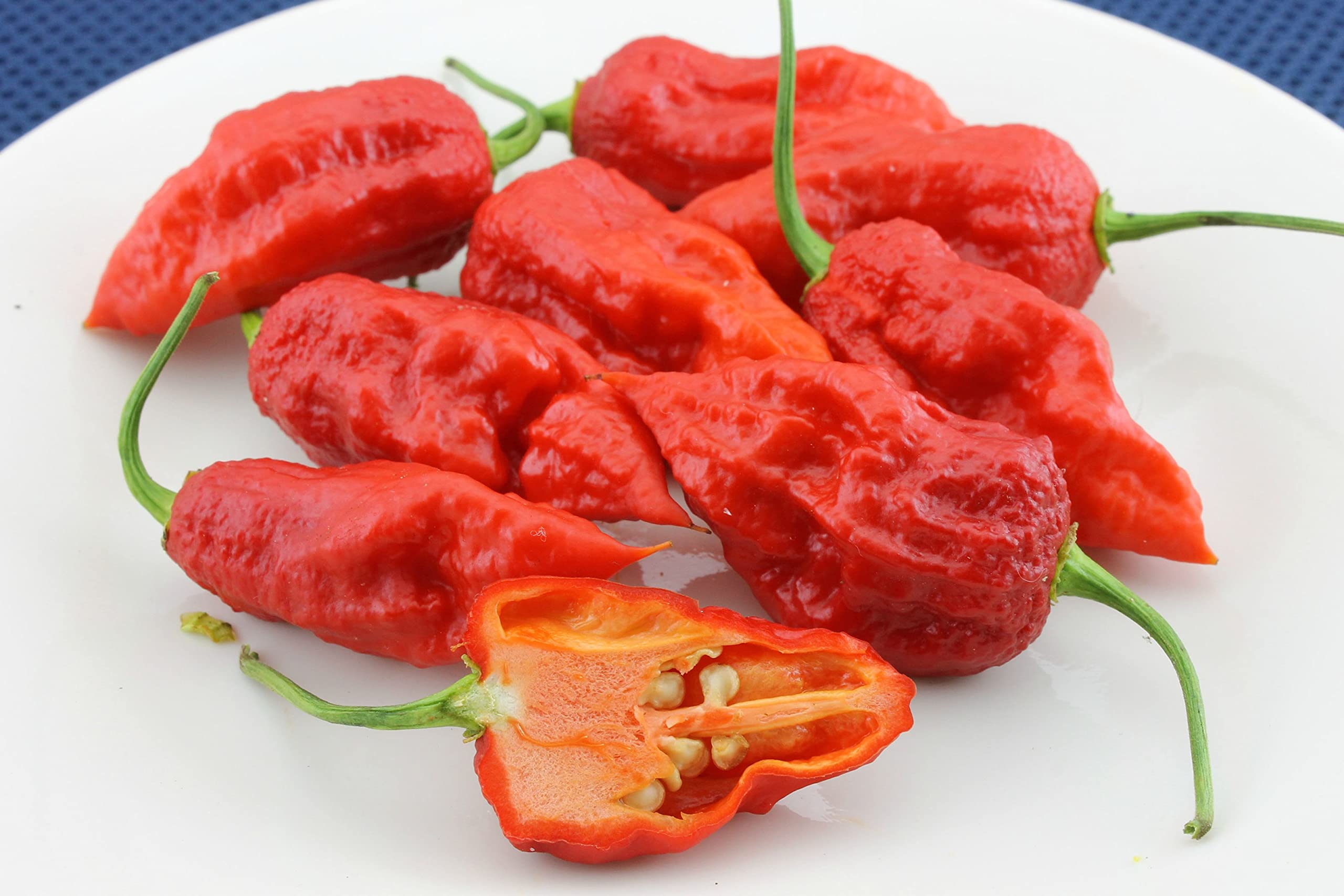
Peppers have been used as a spice for centuries, adding heat and flavor to dishes around the world. However, some peppers take the concept of heat to a whole new level. The hottest peppers on the planet can pack a serious punch, with some measuring over a million Scoville heat units. In this article, we’ll explore the world of the hottest peppers, from their origins to their effects on the human body.
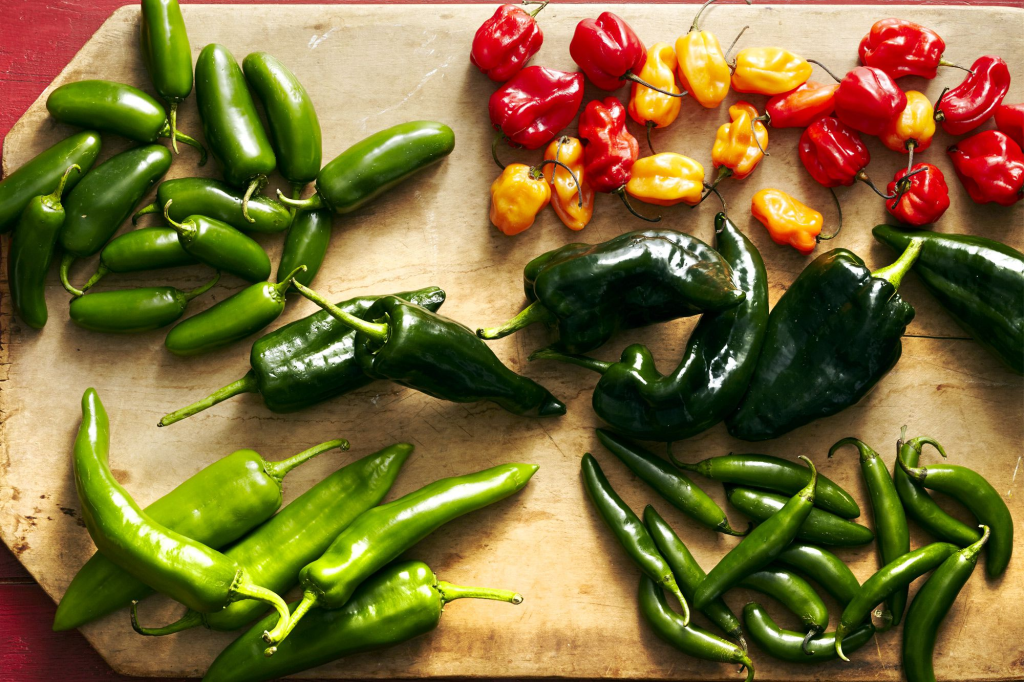
The Scoville Scale, developed by Wilbur Scoville in 1912, is a measurement of a pepper’s heat. The scale ranges from zero for sweet bell peppers to over two million for the Carolina Reaper, the current holder of the title for the world’s hottest pepper. To put that into perspective, the average jalapeño pepper measures between 2,500 and 8,000 Scoville units.
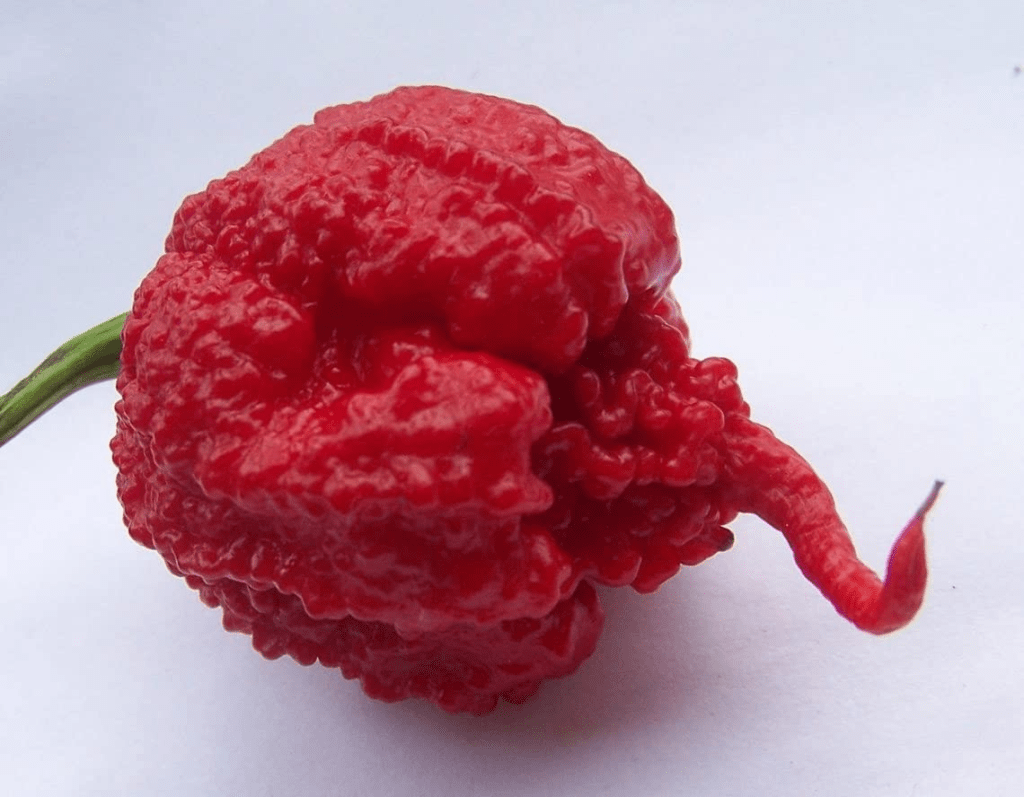
The Carolina Reaper, developed by Ed Currie of PuckerButt Pepper Company, is a hybrid of the Ghost Pepper and the Red Habanero. It measures between 1.5 and 2.2 million Scoville units, depending on the individual pepper. The intense heat of the Carolina Reaper can cause physical reactions such as sweating, hiccups, and even vomiting in some people.
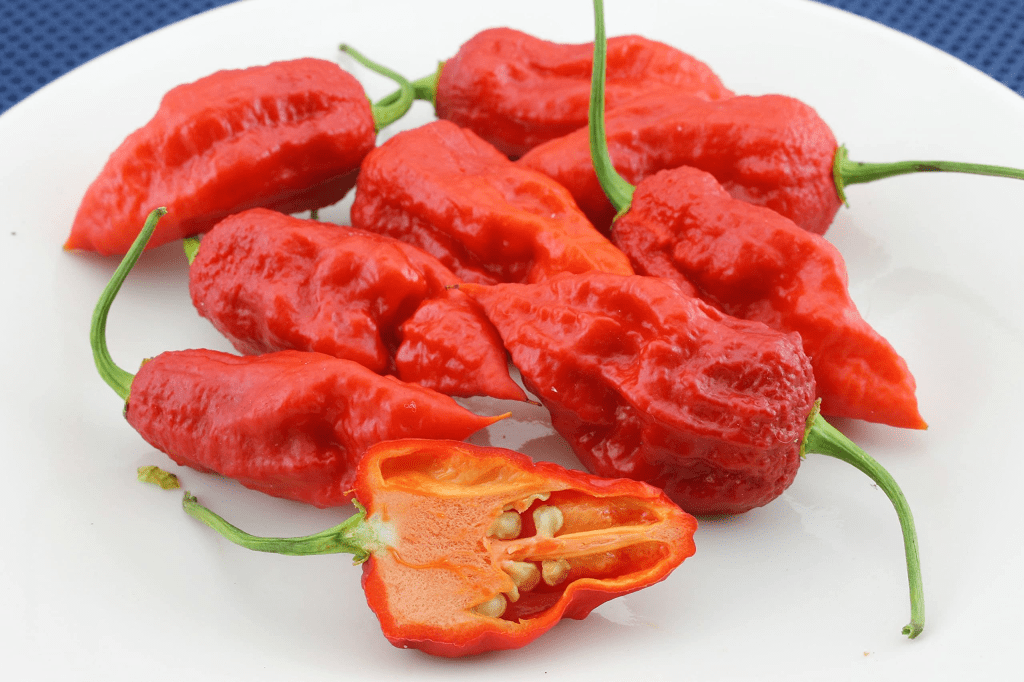
Other peppers that rank high on the Scoville Scale include the Trinidad Moruga Scorpion, the 7 Pot Douglah, and the Bhut Jolokia, also known as the Ghost Pepper. The Trinidad Moruga Scorpion, native to Trinidad and Tobago, measures between 1.2 and 2 million Scoville units. The 7 Pot Douglah, originating from Trinidad, measures between 1.8 and 2 million Scoville units. The Bhut Jolokia, which held the title for the world’s hottest pepper before the Carolina Reaper, measures between 800,000 and 1.04 million Scoville units.

The heat of these peppers comes from a chemical compound called capsaicin, which is found in the pepper’s placenta and seeds. Capsaicin binds to receptors on the tongue and causes a burning sensation, which triggers the body’s natural response to heat by producing sweat and increasing heart rate.
While consuming these peppers can be a challenge for even the most experienced spice lovers, they are also used in small quantities to add flavor and heat to dishes. The extract of these peppers is also used in a variety of products, including hot sauces and pepper sprays.
It’s important to note that consuming extremely hot peppers can have negative health effects, including stomach pain, ulcers, and even heart attacks in some cases. It’s always best to consume these peppers in moderation and to consult a medical professional if you have any concerns about their effects on your health.
In conclusion, the world of the hottest peppers is not for the faint of heart. These fiery peppers can pack a serious punch and cause intense physical reactions. However, for those who enjoy a little heat in their food, these peppers can be a tasty addition to dishes when used in moderation. Just be sure to handle them with care and always respect their power.

 re·dact
2 Comments
Comments are closed.